

From the iconic recipes that have become household staples to crowd-pleasing favorites such as tacos, churros, and salsa, Mexican cuisine is a rich tapestry of culinary delights. Mexican cuisine varies significantly by region, each boasting its own unique culinary traditions and specialties. From the spicy, complex flavors of dishes from the Yucatan Peninsula to the hearty, comforting meals of central Mexico, there is a wealth of diversity to explore and savor. Whether you're looking to add a touch of Mexican flair to your menu or dive headfirst into the world of authentic Mexican cooking, we'll guide you through what this type of cuisine truly encompasses.
Skip to a specific section to learn more about Mexican cuisine:
What Is Mexican Cuisine?
With deep roots tracing back to the Mayans, Aztecs, and other ancient Central American civilizations, Mexican cuisine has evolved over generations. At its core, Mexican cuisine has been shaped by the region's rich agriculture. Staples such as corn, beans, and peppers have been fundamental components of Mexican cooking for centuries, complemented by the domesticated animals that the Spanish brought to the region, including cows, pigs, and chickens. This fusion laid the foundations for modern Mexican cuisine.
Mexican cooks were among the first to embrace ingredients like edible flowers, adding unique and vibrant flavors to their dishes. From zucchini and cauliflower to corn and specialty ingredients like huitlacoche, vegetables also play a significant role in Mexican cooking. When it comes to sweet ingredients, chocolate holds a special place in Mexican cuisine as a native ingredient, along with tropical fruits such as guava, mangoes, and bananas, which are commonly used in desserts and beverages, adding a refreshing, tropical touch.
Types of Mexican Cuisine
Mexico is a large country, and as such, each region boasts distinct flavors, recipes, and inspirations. From rich coastal areas to Earthy, traditional lands, the country's diverse terrains and environments have given rise to a wide variety of cooking styles and ingredients. We've outlined each major region, what kinds of food it provides, and what influenced it:
- Oaxaca: Oaxaca cuisine is deeply rooted in indigenous traditions and is renowned for its seven moles, complex sauces made from pre-Columbian ingredients. One of the most famous is mole negro, a rich sauce with hints of chocolate. Traditional Oaxacan recipes often feature Tlayudas (Oaxacan pizza), queso Oaxaca (mild white string cheese), and chapulines (toasted grasshoppers). Cooking tools like the comal and metate are commonly used to preserve traditional flavors.
- Veracruz: Veracruz cuisine, originating from Mexico's southeastern coast, blends Spanish, African, and Caribbean influences. The flavors of Veracruz cuisine are vibrant and diverse, incorporating zesty, herbal, and citrus flavors and reflecting the region's cultural influences. Common ingredients or menu staples include seafood like red snapper, shrimp, and clams, along with olives, capers, pickled jalapenos, and indigenous herbs.
- Yucatan: Yucatan cuisine, from the southeastern Yucatan peninsula, incorporates Mayan and Spanish influences. Key ingredients include sour orange, achiote, and habanero peppers, resulting in dishes such as Cochinita pibil (marinated pork) and sopa de lima (a poultry dish made with local limes).
- Puebla: Puebla cuisine, located in central Mexico, is a melting pot of regional flavors and influences. Poblano peppers, chocolate, chiles, sesame seeds, and cinnamon are staples in Puebla dishes like tacos arabes (pork tacos) and chalupas.
- Jalisco: Jalisco cuisine is characterized by hearty beef dishes, rich cheeses, and tequila. Slow-cooked meals, smoky flavors, and spices like cumin and garlic define the culinary landscape. Signature dishes like birria, tortas ahogadas (pork sandwiches in chili sauce), and carne en su jugo (steak with bacon and beans) showcase the bold flavors of Jalisco cuisine.
- Chiapas: Chiapas cuisine, from southern Mexico, features a blend of Central and South American influences. Corn, traditional Mexican herbs, and pork are prominent ingredients in Chiapas dishes. These include tamales, cochito (roasted pig), and sopa de chipilin (chicken soup), offering a vibrant reflection of the region's cultural heritage.
- Baja California: Baja California cuisine hails from Northwestern Mexico and is defined by vibrant flavors, coastal influences, and Asian fusion. Seafood like sea urchins and clams is common in Baja California dishes, along with zesty and citrus flavors.
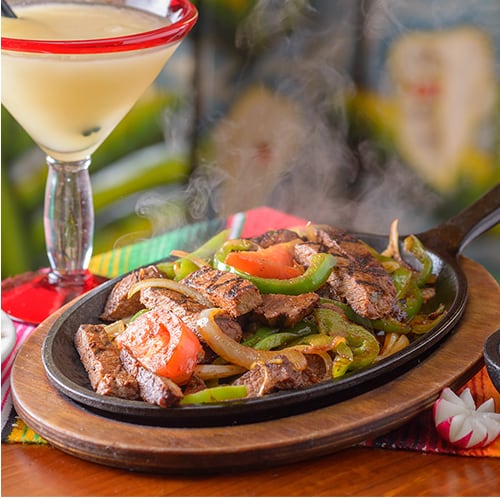
- Norteno: Norteno cuisine is characterized by hearty, meat-centric dishes that reflect the area's cattle-ranching culture. Beef, goat, and dried meats are staples in Norteno cuisine, which is native to the northern part of the country. Unlike most of Mexican cuisine, Norteno typically uses flour tortillas as opposed to corn tortillas. Popular dishes like carne asada and arrachera (skirt steak) showcase the robust flavors of Norteno dining.
Mexican Culinary History
The roots of Mexican cuisine can be traced back as far as 7000 BC, when the first indigenous people of Mexico lived off the land, hunting game and cooking with local vegetables such as chili peppers. By 1200 BC, corn had been domesticated and cultivated in the area, revolutionizing the region’s cuisine. This led to the creation of primitive tortillas, as people ground corn down to extract its nutritional value and soften it.
As time passed, civilizations like the Mayans and Aztecs incorporated new ingredients into their culinary repertoire. Beans and amaranth became staples, alongside protein sources such as turkey. The arrival of Spanish explorers from the New World brought a wave of European influences to Mexican cuisine. Domesticated animals like pigs, cows, and chickens were introduced, along with Spanish and Mediterranean staples like olive oil and rice.
The influx of livestock made dairy a staple in Mexican cuisine, with cheese in particular becoming a prominent fixture. The 19th and 20th centuries saw the introduction of North American influences, with the development of flour tortillas and the rise of Tex-Mex cuisine. This continued cultural exchange has shaped Mexican cuisine into the vibrant and diverse culinary landscape it is today.
Mexican Food Culture
The traditional Mexican food experience is more than just a collection of recipes. It's a reflection of the rich dining traditions, eating habits, and cultural norms that define the Mexican way of life. With a strong focus on community, family, and tradition, it showcases a deep-rooted connection to its heritage.
- Home cooking: Home cooking is a cornerstone of Mexican food culture, with families coming together to cook for one another and pass down recipes through the generations. This emphasis on homemade meals is particularly prominent in rural regions, where preparing and sharing food is a heartfelt expression of love and togetherness.
- Food festivals: From elaborate holiday feasts to communal gatherings for significant life events, food plays a pivotal role in Mexican festivities. The preparation of dishes and the flavors featured become a social experience, uniting people in shared joy and appreciation for the culinary arts.
- Street food: Popular handheld favorites like tacos, quesadillas, and tamales can be enjoyed from street vendors, adding a flavorful touch to bustling towns and cities. Street food not only provides a quick and tasty meal option but also reflects the dynamic and diverse culinary landscape of Mexico.
Mexican Cooking Techniques
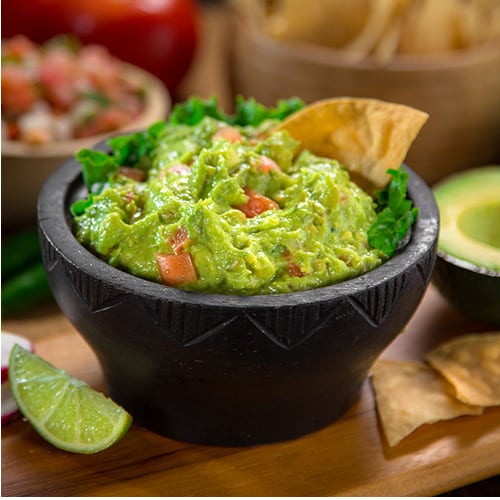
When it comes to unique cooking techniques, Mexico boasts a collection of time-honored traditions and modern methods. Generally speaking, Mexican cuisine relies on developing deep, complex flavors through long processes. We'll outline the most relevant techniques and traditions so you can prepare authentic Mexican foods in your kitchen.
- Nixtamalization: Nixtamalization is a vital step in making masa harina. It involves preparing corn by soaking it in an alkaline solution, traditionally limewater, not only making corn easier to grind but also increasing its nutritional value and boosting flavor and aroma.
- Tatemado: Tatemado is the process of dry roasting foods directly over coals until they are charred or blackened. This method can be used to impart a smoky flavor on meats and vegetables and is typically performed over a comal.
- Grinding and crushing: Grinding and crushing using a molcajete are essential techniques in Mexican cooking. Traditional molcajetes are carved from volcanic rock, releasing more oil than a standard mortar and pestle or blender.
- Barbacoa: Barbacoa involves slow cooking meat, usually beef, lamb, or goat. The meat is wrapped in agave or banana leaves and then steamed for hours until it becomes tender and juicy. This process also makes the meat easy to shred, creating a flavorful and versatile dish.
- Simmering: A cazuela is a traditional Spanish cooking dish typically made from clay or terracotta. These vessels are used to simmer soups and stews and prepare casseroles, providing even heat distribution for cooking large batches of food.
Mexican Cooking Equipment
Just as important as the ingredients you use when preparing Mexican cuisine is finding the right cooking equipment. They ensure you get the right consistency and flavor profile, preserving an authentic taste and texture. Modern Mexican cuisine, especially in foodservice environments, requires a combination of old-style hand tools, specialized equipment, and modern kitchen staples to prepare.
- Molcajete: This specialized mortar and pestle is made from volcanic rock and is used to grind down spices, prepare salsas, and make moles.
- Metate: A large, flat grinding stone, the metate provides a designated space to grind ingredients such as maize, grains, cocoa, and traditional Mexican spices.
- Machador de frijoles: This traditional Mexican tool is used to mash ingredients and is especially important when preparing refried beans.
- Comal: A type of Mexican griddle with a smooth, flat surface, comals are made from clay or cast iron. They are perfect for everything from roasting spices to searing vegetables and meats, adding a touch of authenticity to your Mexican cuisine.
- Tortilla press: Tortilla presses simplify the tortilla-making process by applying heat and pressure to corn or flour tortillas, cooking them quickly and ensuring consistency in every dish you make. Whether you are serving tacos, enchiladas, or quesadillas, a tortilla press is a must-have tool.
- Steamer: In a commercial kitchen, steamers are perfect for slow-cooking meats and vegetables, especially the barbacoa style of cooking, allowing you to create tender, flavorful textures in meat.
Popular Mexican Dishes
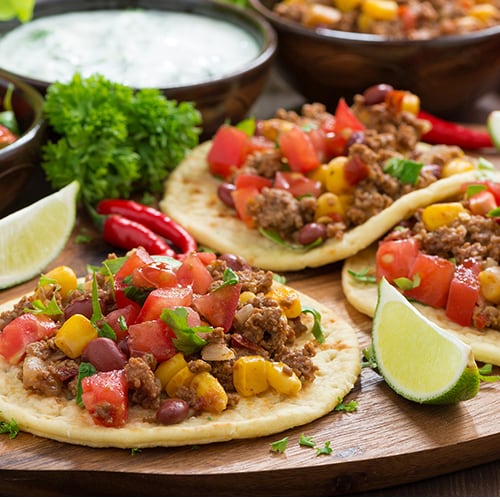
The most popular Mexican dishes are packed with flavor and easy to make. They lend themselves to countless interpretations and variations, allowing chefs to get creative with their menu. Whether you're looking to spice up your menu with classic Mexican dishes or introduce new flavors to your customers, these popular Mexican culinary delights are sure to impress and delight diners of all ages.
- Tacos: These folded corn or flour tortillas are filled with a delicious medley of ingredients such as meat, cheese, or vegetables. Whether enjoyed as a street food staple or a comforting meal, tacos are known for their versatility and ease of preparation.
- Tamales: Tamales feature a filling of meat, typically chicken, beef, or shredded pork, along with cheese and vegetables, all encased in masa, a traditional corn dough. They are often enjoyed during festive occasions and gatherings.
- Mole: Mole is a culinary marvel that encompasses a diverse range of Mexican sauces and marinades. From savory and sweet to spicy variations, mole sauces add depth and complexity to a variety of dishes. Popular types of mole include mole poblano, mole verde, and mole negro.
- Guacamole: Made from ripe avocados, tomatoes, onions, cilantro, and lime juice, guacamole is a versatile topping that pairs perfectly with tacos, nachos, and other classic Mexican foods.
- Birria: Birria is a rich, savory Mexican stew hailing from the region of Jalisco. This hearty dish typically features tender meat such as goat, beef, or lamb, simmered with dried chiles, herbs, and spices to create a mouthwatering flavor profile.
- Carnitas: Carnitas are a delectable form of Mexican pork that is braised, simmered, and fried to perfection. Known for its tender interior and crispy exterior, carnitas make for a satisfying and flavorful addition to tacos, burritos, and other Mexican dishes.
- Salsa and pico de gallo: Salsa and pico de gallo are essential Mexican condiments that add a burst of freshness and flavor to any dish. While salsa encompasses a range of condiments with varying consistencies and flavors, pico de gallo is a chunky topping made from diced tomatoes, onions, chiles, cilantro, and lime juice, offering a vibrant and tangy accompaniment.
- Churros: Churros are fried rods of pastry dough coated in cinnamon and sugar. They boast a crispy, crunchy texture and sweet taste, creating indulgent treat that is perfect for enjoying as a street food snack or a delicious dessert.
In Mexican food culture, the act of cooking and sharing meals goes beyond mere sustenance. It offers a way to nurture relationships, preserve traditions, and celebrate the vibrant flavors and textures that make it truly exceptional. By familiarizing yourself with the history of Mexican cuisine, the different regional variations, popular recipes, and key cooking equipment, you can prepare great-tasting Mexican foods that your guests won't forget.